Custom software and automation
CAD software for precast concrete slabs
Building Integrated ManufacturingxNet developed industry-specific CAD software that translates structural design into structured production data and connects it with SiMon automation through to manufacturing.
The starting point
When a drawing becomes a binding production order
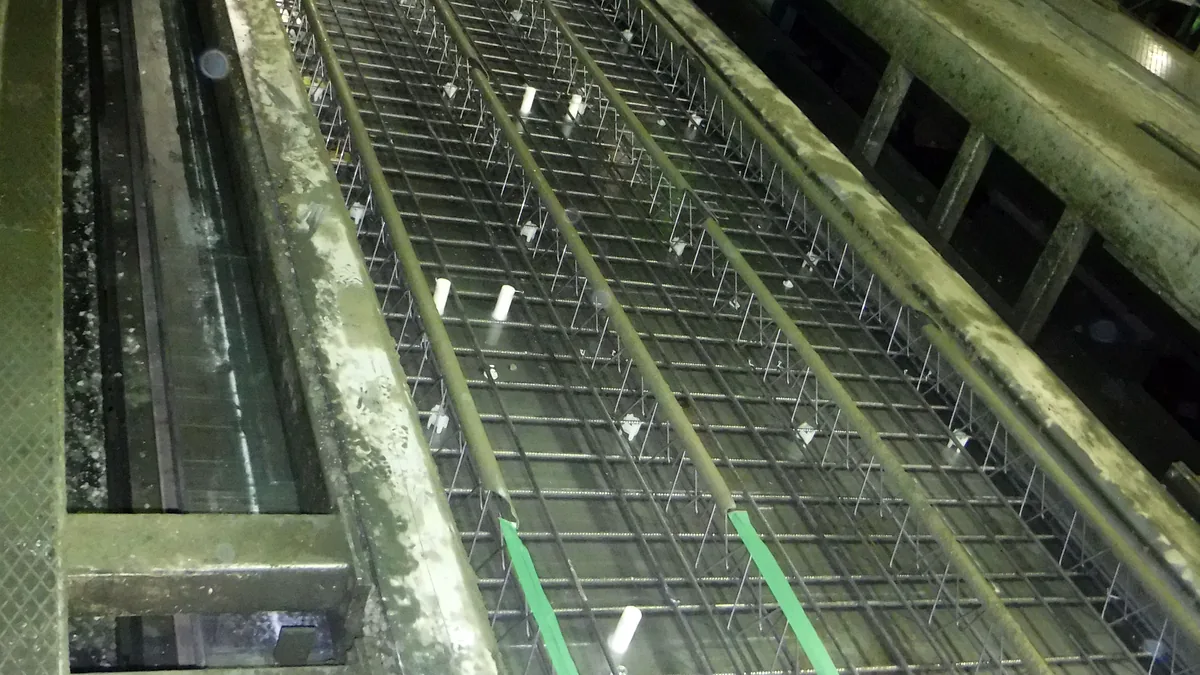
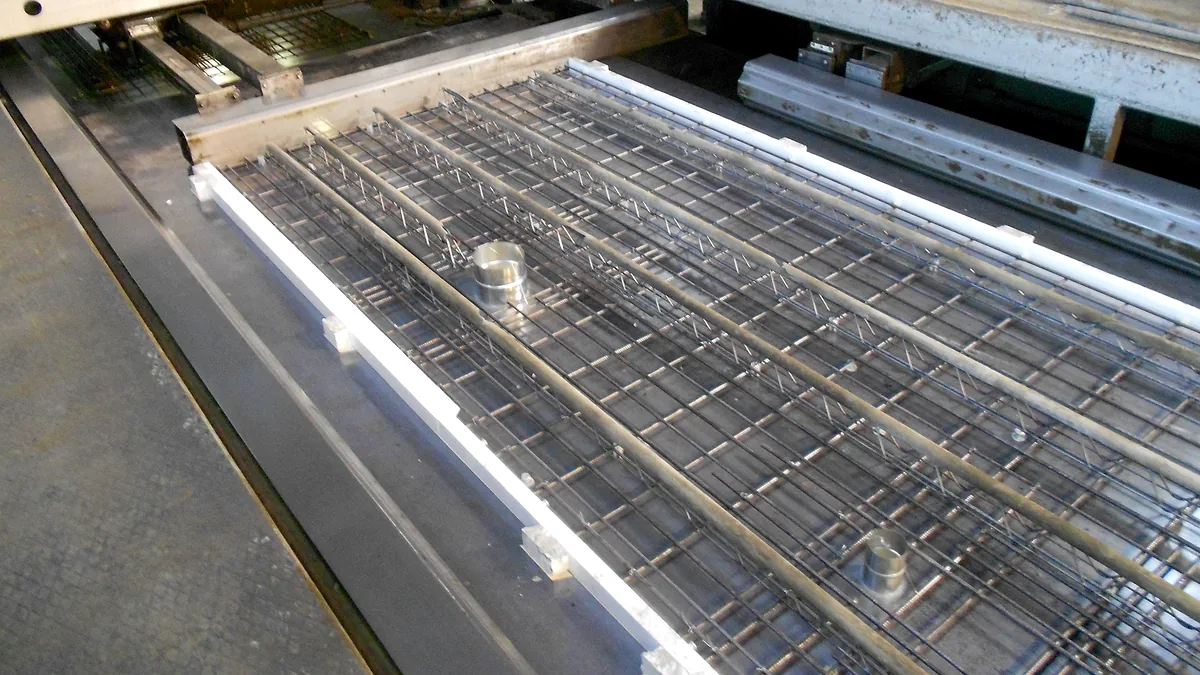
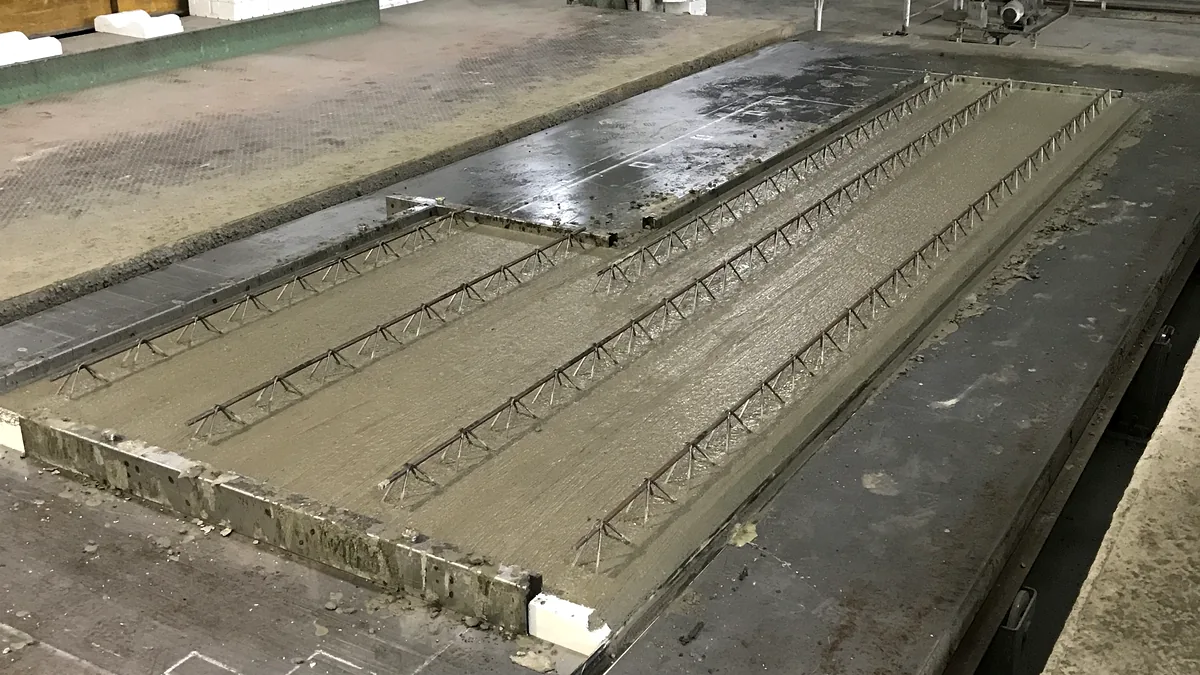
For precast concrete slabs, geometry, openings, embedded parts, reinforcement, production logic and machine sequences must match exactly. Even small transfer errors between design, production preparation and manufacturing can lead to questions, rework or defective elements.
General-purpose CAD systems can only represent the industry-specific workflows to a limited extent. What was needed was an application that did not stop at the drawing, but passed all relevant information to production in structured form.
The system scope
From structural detail to the automated plant
CAD planning
Geometry and embedded parts
Structured production data
SiMon automation
Finished element
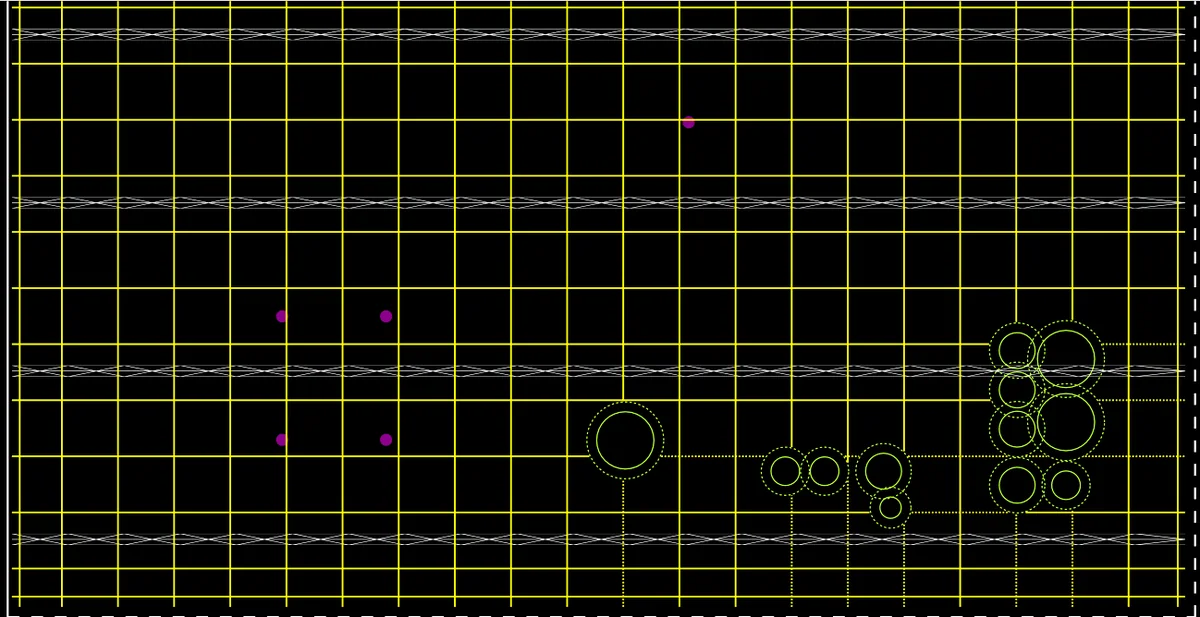
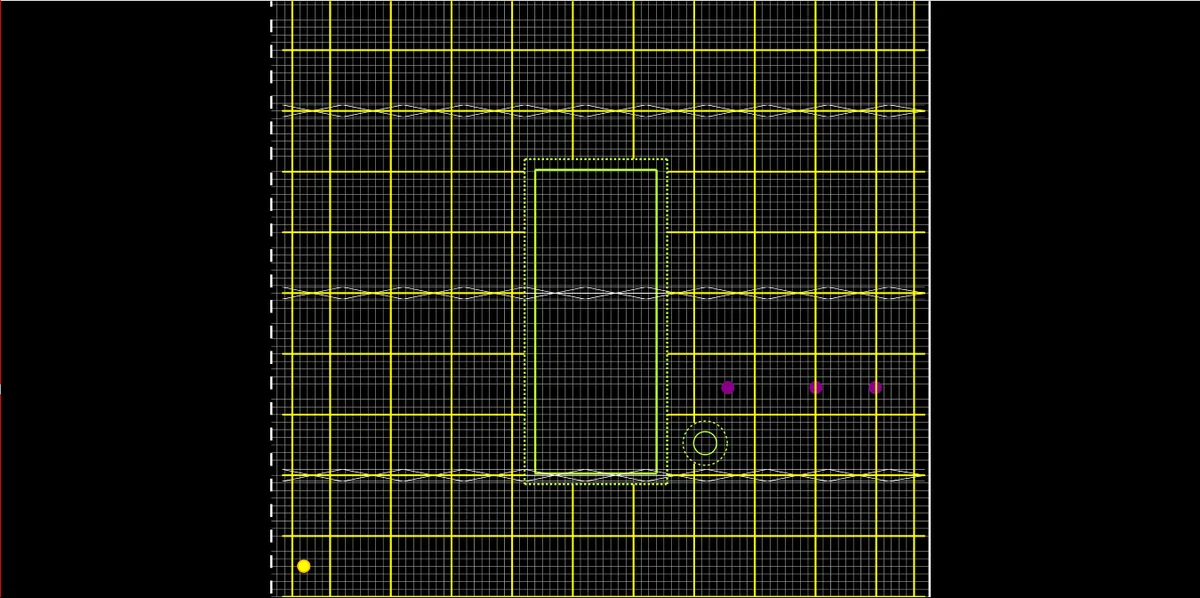
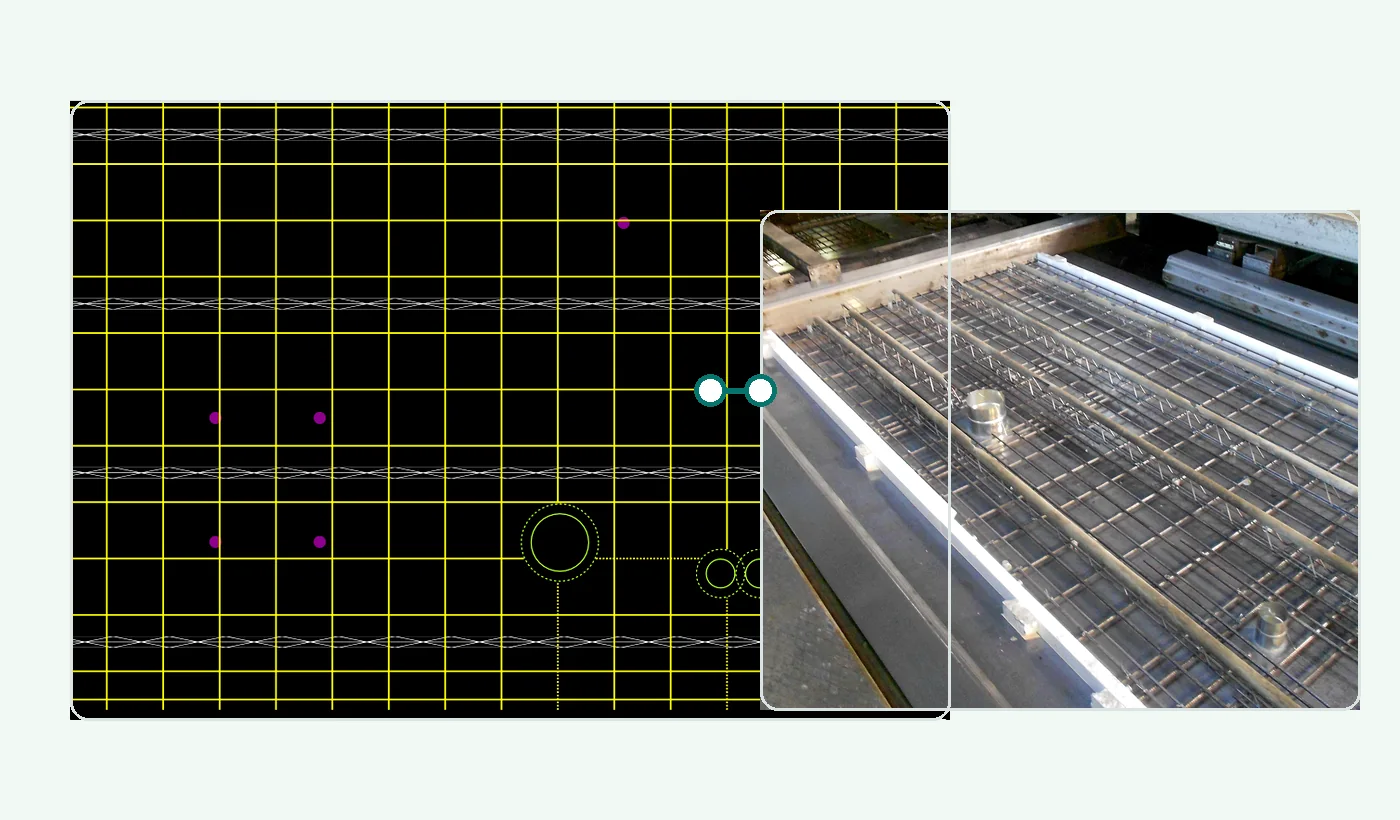
The CAD application represents components with their structural and production-relevant properties. SiMon transfers this data into the automated manufacturing process and makes the workflow from planning to the finished element traceable.
The implementation
Develop industry software from the real production process
Represent domain logic
Geometry, grids, openings, embedded parts and reinforcement information relevant to precast slabs were translated into a dedicated data model.
Tailor operation to the process
The editor was developed for actual design and production-preparation tasks instead of imposing a generic CAD workflow.
Structure production data
Planning generates unambiguous information that is available to manufacturing without unnecessary manual transfer.
Connect automation
CAD data is connected with SiMon and plant control, transferring it directly into the production workflow.
The xNet solution
CAD, process knowledge and machine integration from one source
Custom software
The process determines the application
xNet developed the software around the customer's actual components and workflows. Functions and data model follow production, not a standard product.
Continuous data
Reuse planning information
Geometry and structural details are not entered again, but used as a structured foundation for production preparation and manufacturing.
SiMon integration
Let software act directly on the plant
The connection to the automation platform closes the gap between digital design and a controllable manufacturing chain.
Results and customer value
Fewer media discontinuities, clearer data, more traceable production
Reduce transfer errors
Planning data no longer has to be transferred manually multiple times into different systems and production steps.
Standardize production data
Everyone involved works with structured information derived from the same digital component model.
Represent specialist processes flexibly
Custom software can adapt to real workflows and future requirements instead of forcing operations into rigid standard processes.
“Building Integrated Manufacturing” describes the approach well: building data is not only designed, but translated directly into an executable production process.
Insights into CAD and production